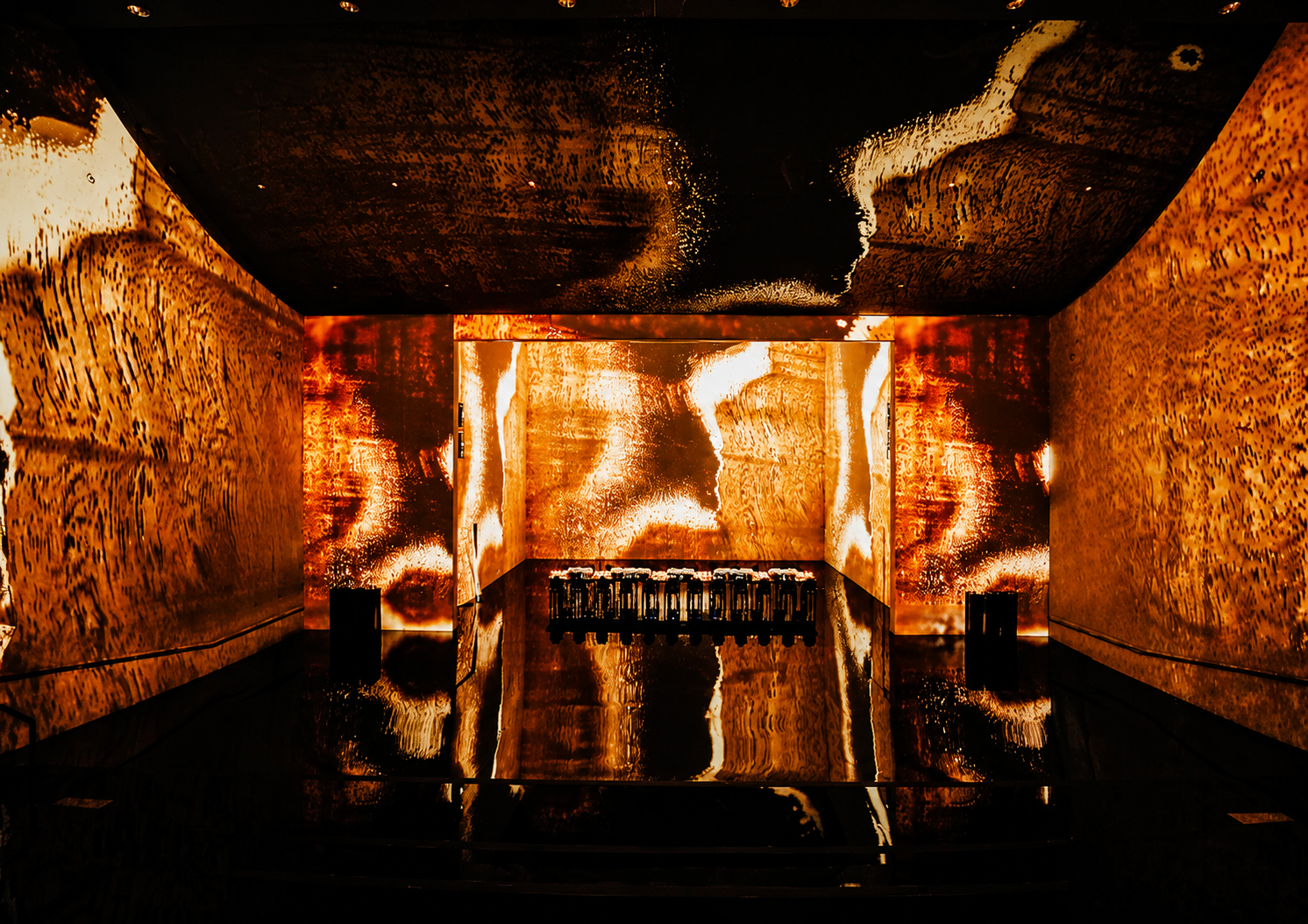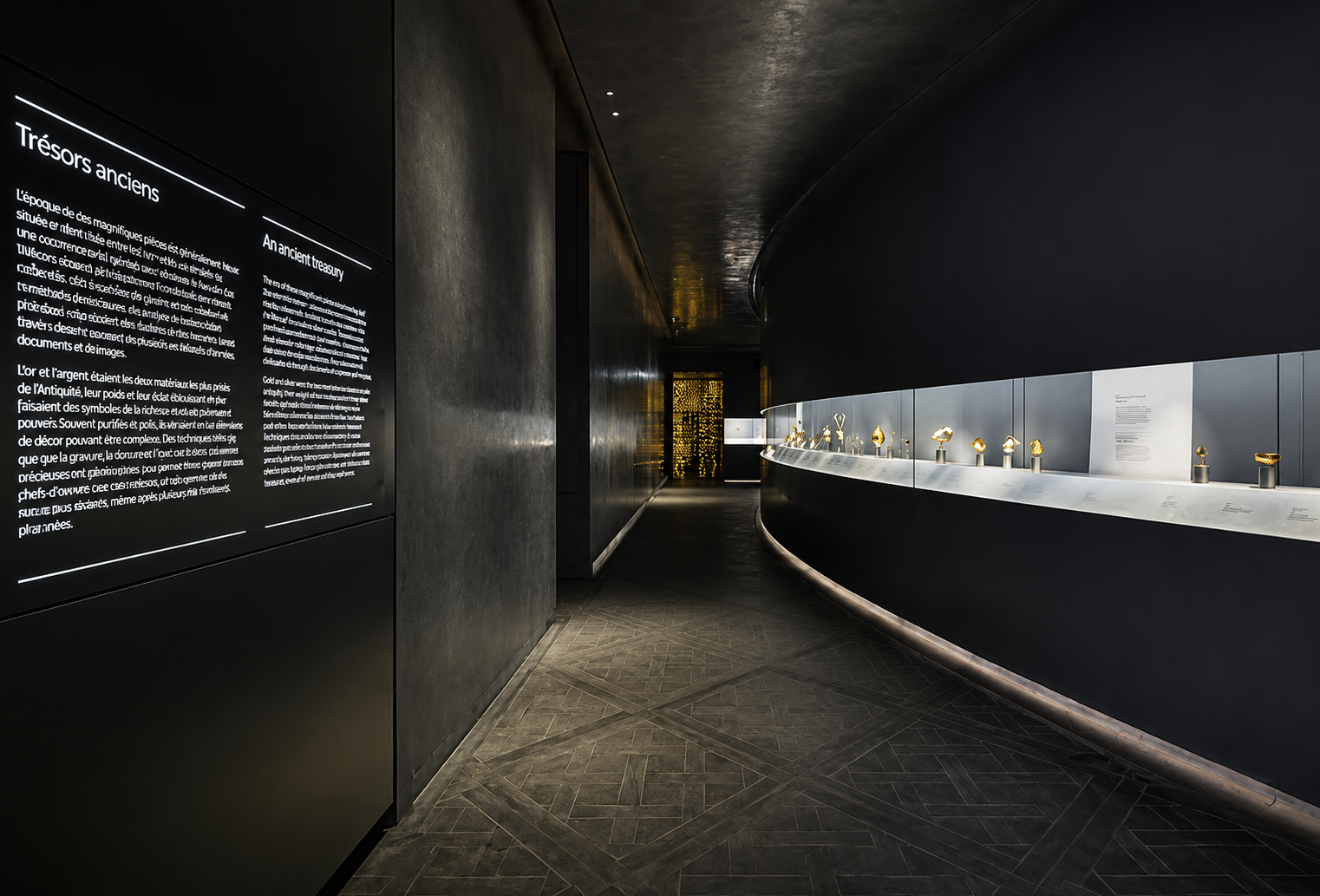

Arrival is rarely neutral. It is the first physical interaction guests have with an event and often the first indication of what the experience stands for. A smooth arrival creates confidence and anticipation, while congestion or uncertainty can introduce friction that lasts well beyond the entrance. Before the programme begins or the stage comes to life, guests are already forming an impression.
Arrival Begins Before the Entrance
The experience starts before guests reach the door. Access routes, parking, drop-off points and directional communication all influence how prepared and welcome people feel. Strong event planning connects these touchpoints into one continuous journey, reducing the need to stop, search or ask for help. Registration should maintain that momentum through clear information, appropriate staffing and efficient check-in technology. When arrival feels effortless, guests enter calmer, more present and ready to engage.
Orientation Creates Confidence
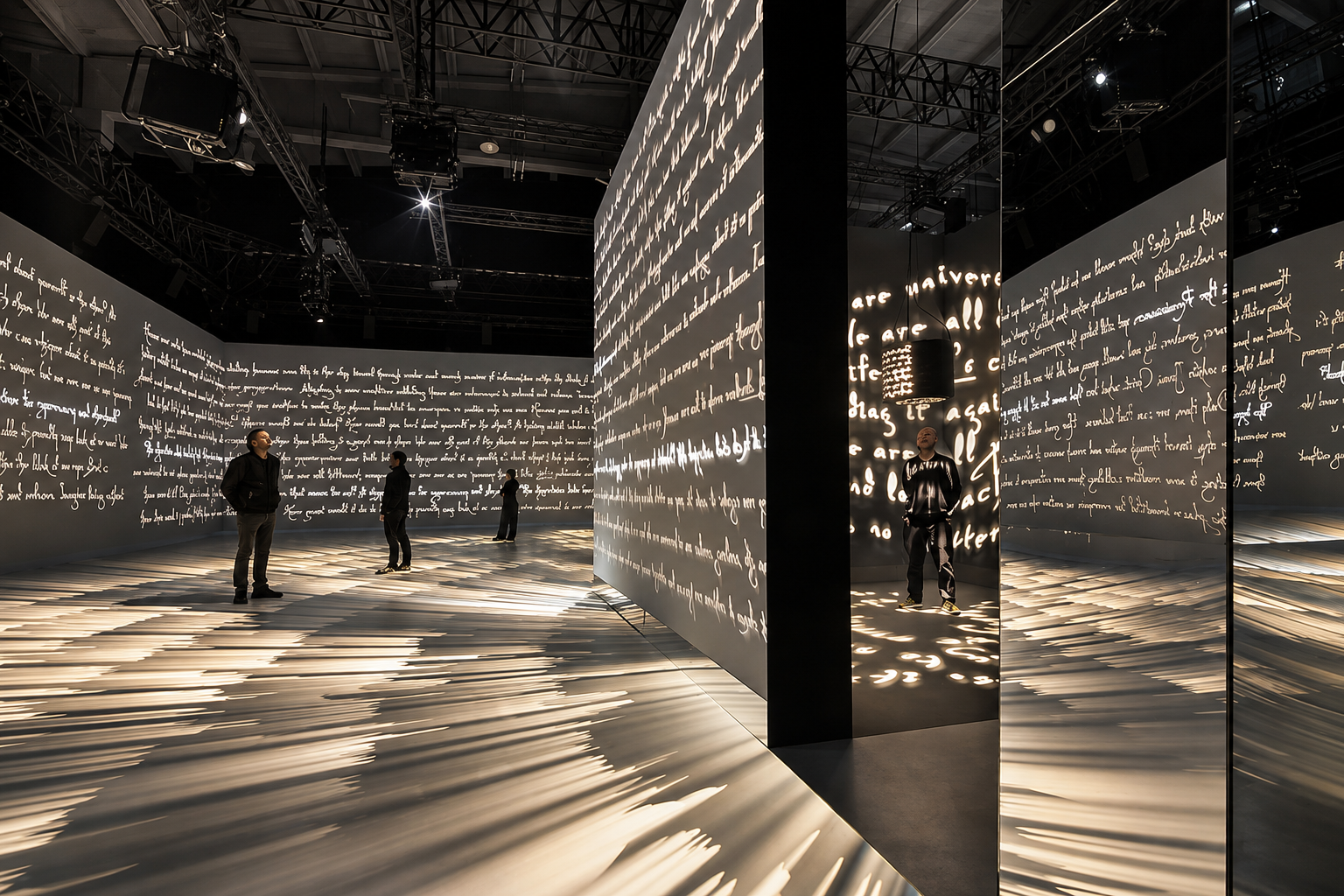
Once inside, people need to understand where they are and what happens next. Spatial hierarchy, intuitive wayfinding and visible points of reference help guests make decisions without unnecessary effort. Different audiences may also require distinct journeys: speakers, media, VIPs and general attendees often have different expectations around access, privacy and pace. Effective event experience design considers these needs without making the overall environment feel fragmented or overly controlled.
A Welcome That Shapes What Follows

Atmosphere and human interaction complete the arrival experience. Lighting, sound and material choices begin communicating the event’s identity before any formal content is presented, while informed front-of-house teams bring warmth and reassurance to the journey. These elements do not need to demand attention; their value lies in how naturally they work together.
The most considered approach to event management treats arrival as more than an operational step—it uses the first 10 minutes to establish trust, signal intent and prepare guests for everything that follows.